Memento Mori
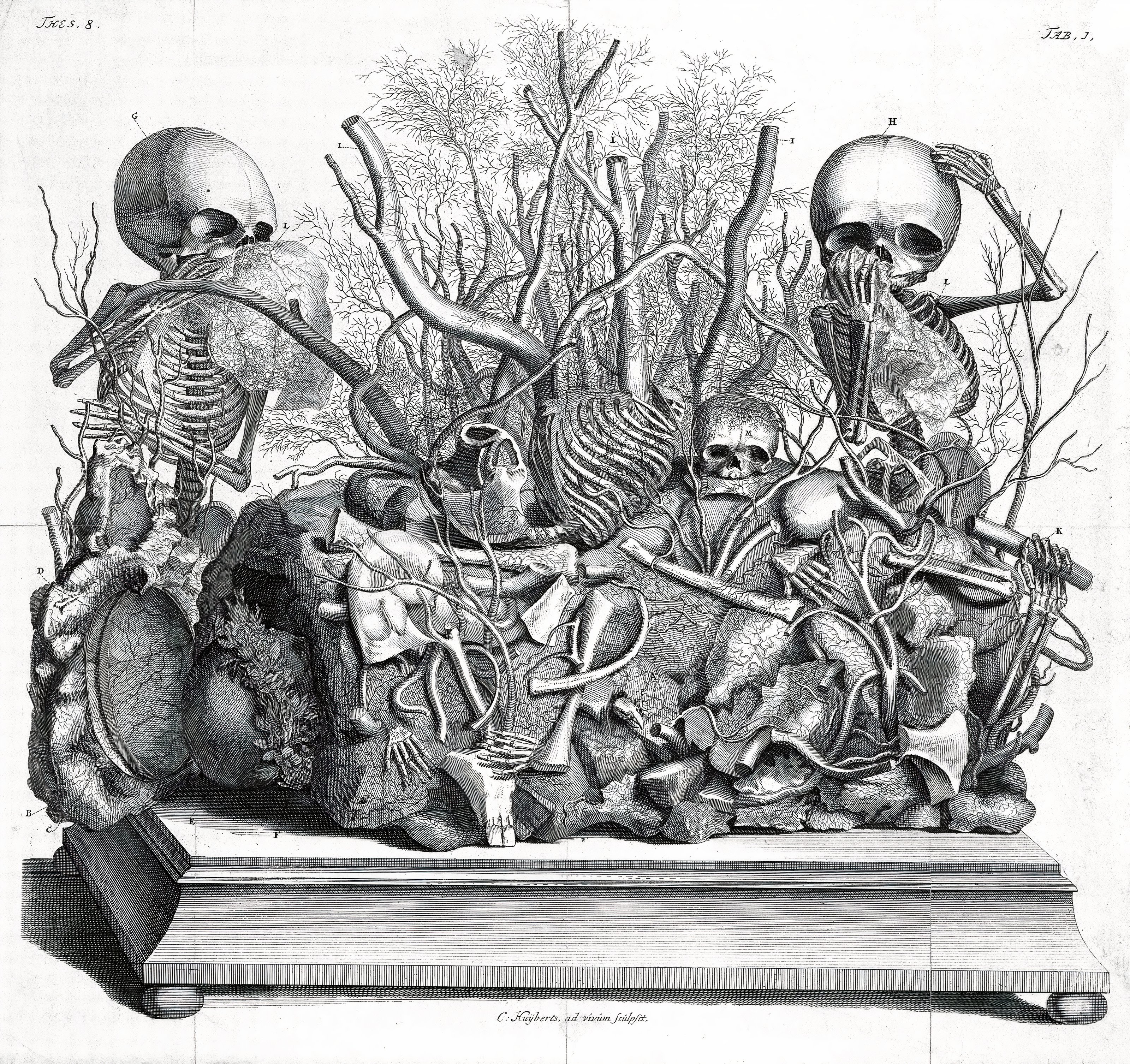
An Anatomical Tableau
A still life built from the body itself.
- Work
- from Thesaurus Anatomicus
- Maker
- after Frederik Ruysch
- Date
- early 18th c.
- Held by
- Published Amsterdam · Wellcome Collection
Format
The full-resolution scan, colour-managed to the source — yours to print, study, and explore.
Size
$29.00
The story
See it on your wall
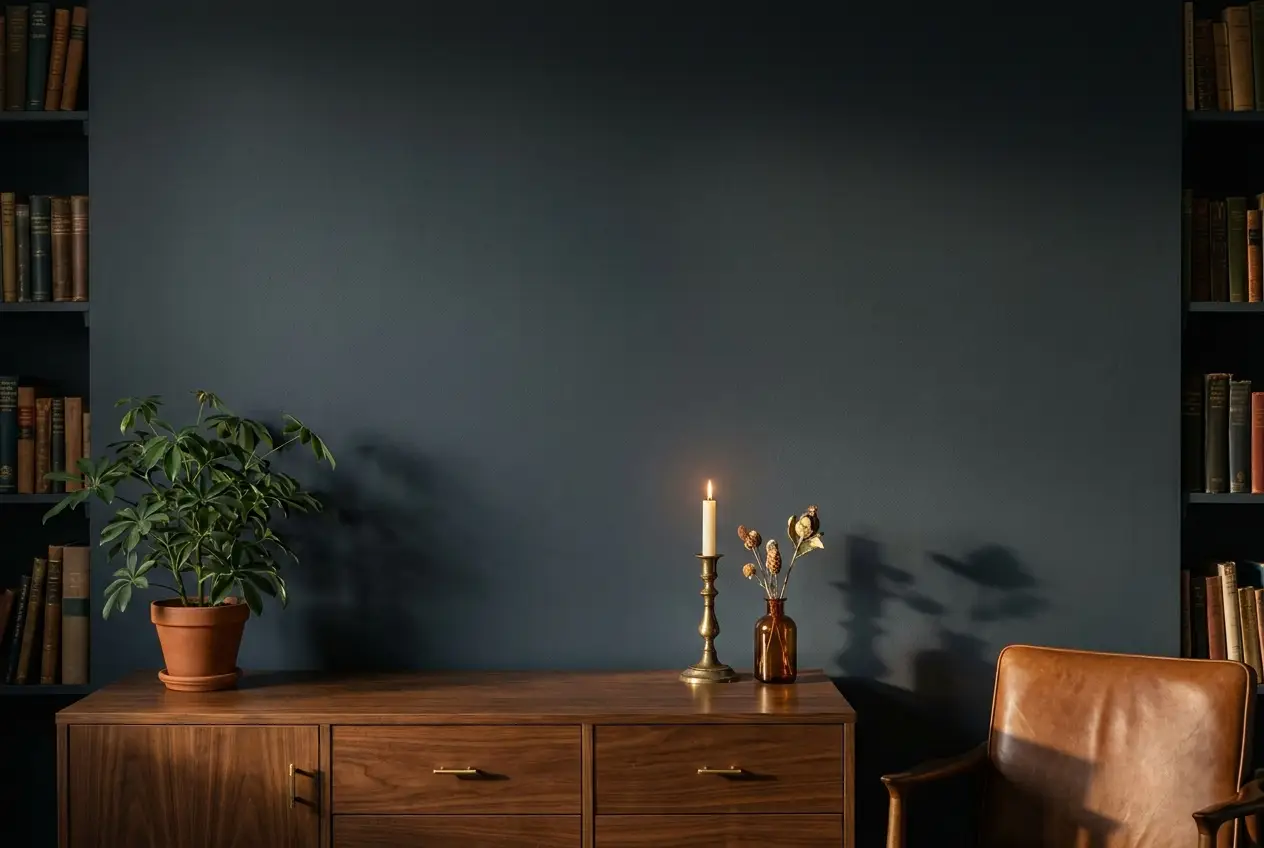
The plate, in the room it was made for
An Anatomical Tableau, printed large and framed — in the consulting room, the study, the library. Every edition ships ready to become the piece the room is built around.



About this reproduction
- A reproduction of from Thesaurus Anatomicus — after Frederik Ruysch, early 18th c. — from the copy held by Published Amsterdam · Wellcome Collection. The source. The work is centuries out of copyright and in the public domain.
- Printed faithful to that source scan. We do not re-colour it, complete it, or interpret it; the plate you receive is the plate as it survives.
- Printed to order on EMA matte art paper, 200gsm. Framed editions sit in a box frame under acrylic, with no mount.
- Colour-managed to the source; the tone of the paper and the ink is the engraver’s, not ours.
- Ships in 5–10 business days.
- If it arrives less than perfect, we reprint or refund — your choice.
Why our plates cost more than a poster: a poster is a mass run on wood-pulp stock, colour-corrected to whatever flattered the press that day. This is one sheet, pulled for you, at a size where the engraver’s hand is visible — the linework, the tonal work, the lettering — on a matte sheet that shows every line without glare.
From the same collection
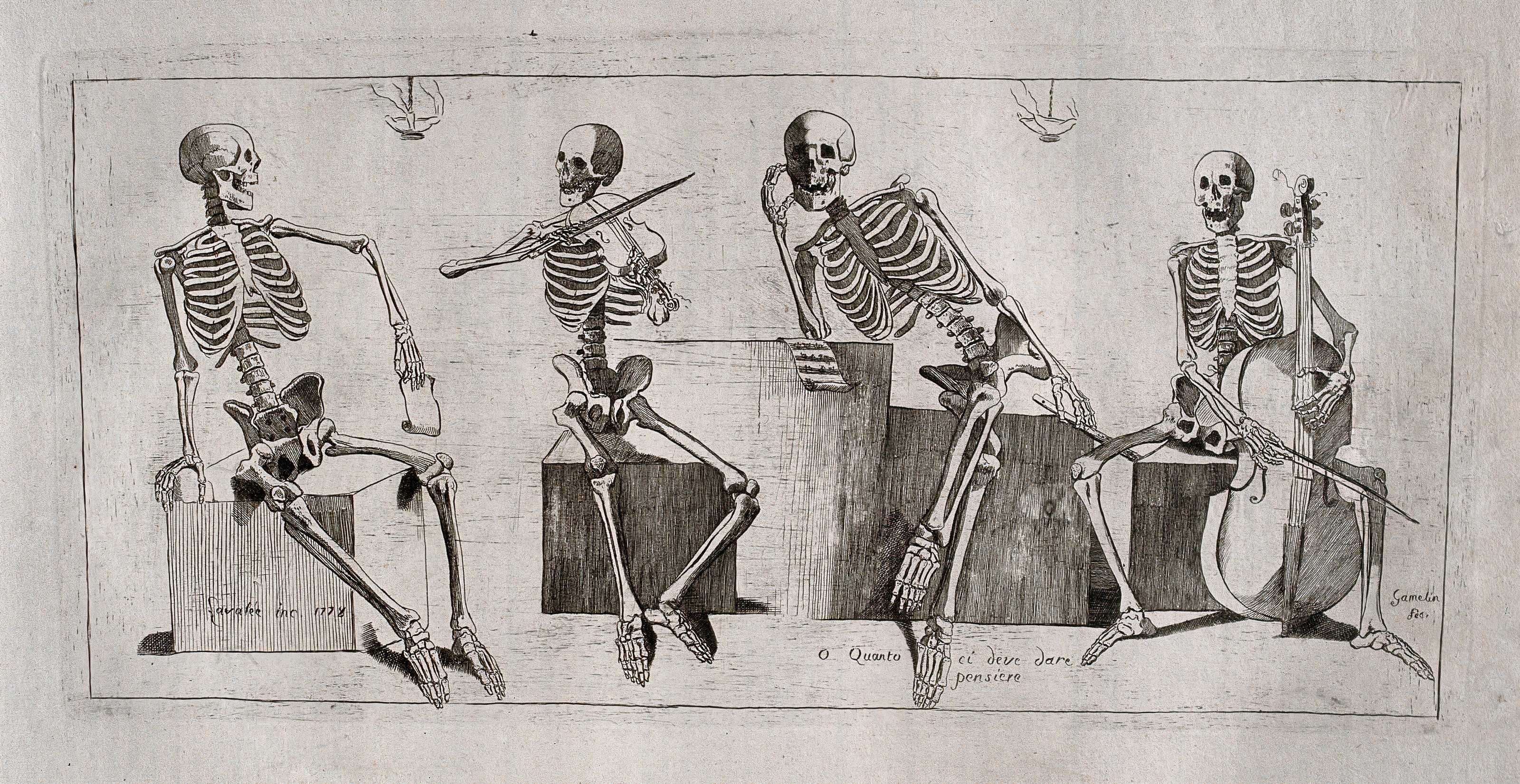
Jacques Gamelin · 1779
The Dance of Death
Skeletons in restless, theatrical motion.
Nouveau Recueil d’Ostéologie et de Myologie · 1779