The Anatomy Theatre

The Medical Gift

A plate for the occasions of a medical life

There are moments in a physician’s life that ask for something older than the moment itself.

A medical-school graduation. The end of a residency or a fellowship. Board certification. A specialty match, when a person first learns which part of the body will be their life’s study. A long-service milestone, or a retirement. The dedication of a practice, and the wall it leaves bare.

For each of these, the works in this house say plainly what a card cannot: that the person receiving it has joined a lineage four centuries deep, and that someone noticed. We do not press them on you. The edits below are simply where we would start.

The Curated Gift Edits

Three edits, each answering an occasion. Every plate in them is a work already in the catalog — the edit is a way of looking, not a different thing to buy.

Medical-school graduation, the match, the first white coat.

For the New Doctor

The plates that began it all — the founding images of the science they have just joined. A graduation or a match is the moment a person stops studying medicine and starts practising it; these are the works that mark the lineage they are entering.
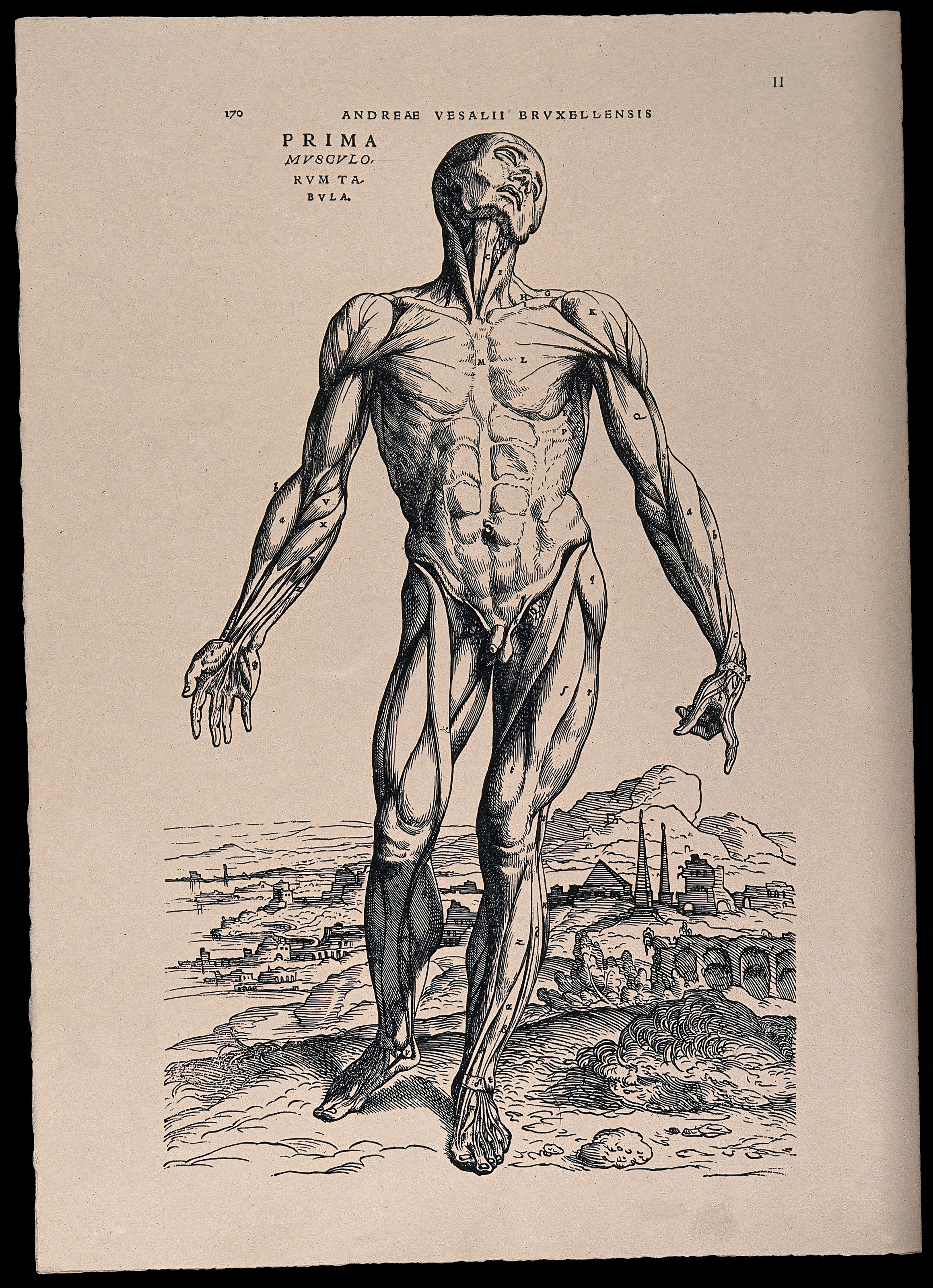
  • The Muscle Man — from De Humani Corporis Fabrica, Andreas Vesalius, 1543

    Andreas Vesalius · 1543

    The Muscle Man

    The image that founded modern anatomy.

    De Humani Corporis Fabrica · 1543
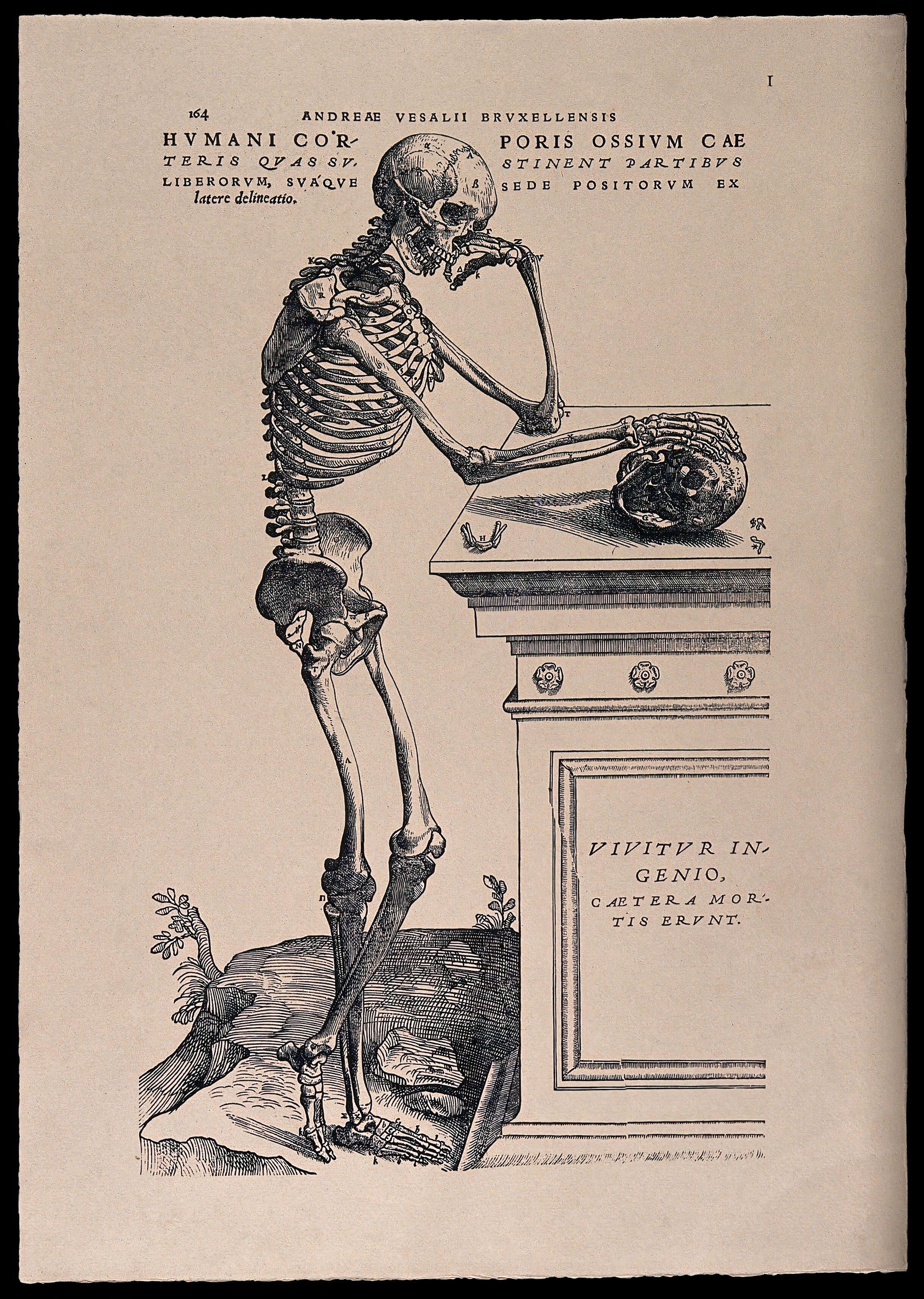
  • The Contemplating Skeleton — from De Humani Corporis Fabrica, Andreas Vesalius, 1543

    Andreas Vesalius · 1543

    The Contemplating Skeleton

    A skeleton, lost in thought before a tomb.

    Vivitur ingenio, caetera mortis erunt
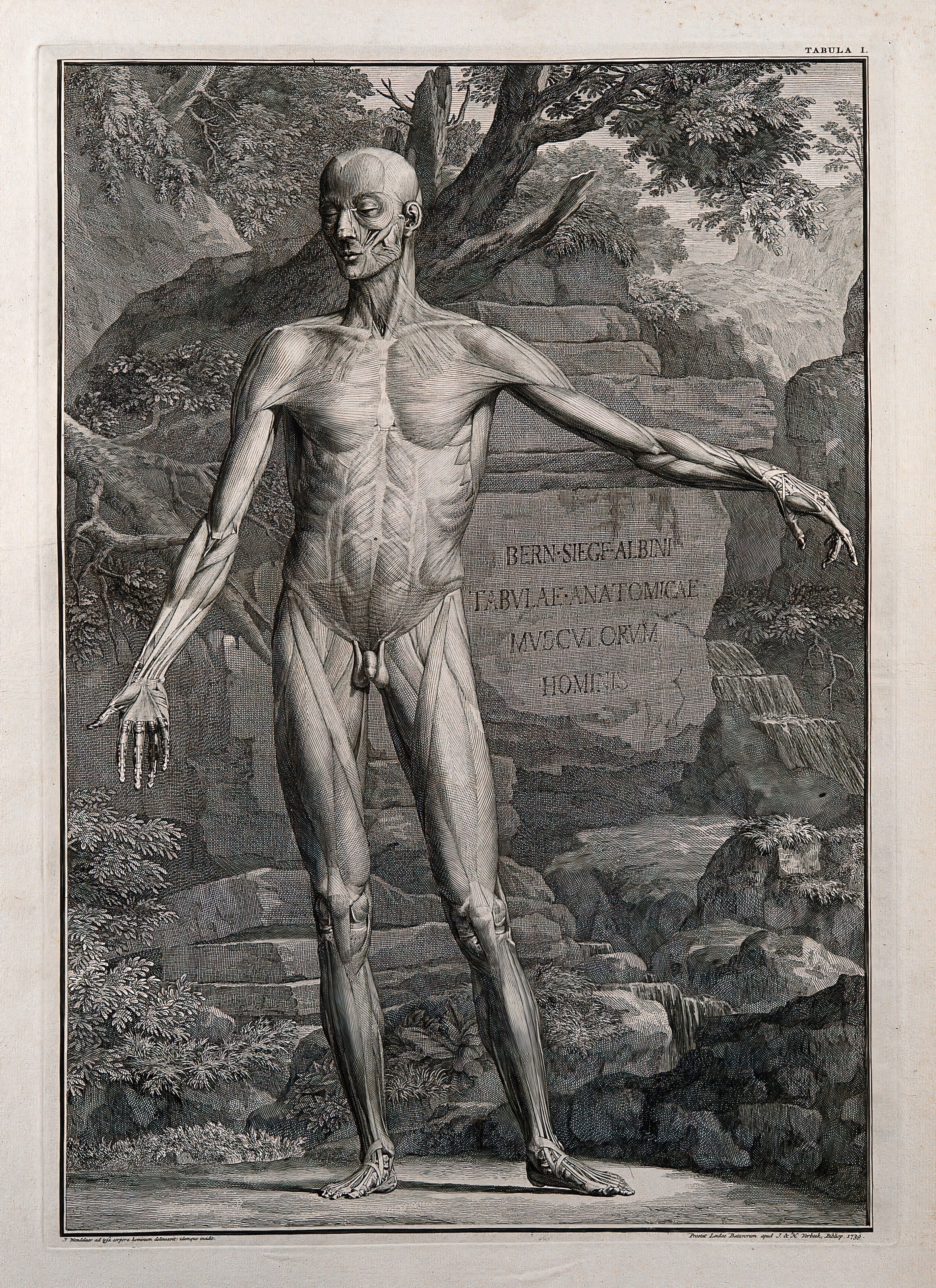
  • The Ideal Figure — from Tabulae Sceleti et Musculorum, Bernhard Siegfried Albinus, engr. Jan Wandelaar, 1747

    Bernhard Siegfried Albinus, engr. Jan Wandelaar · 1747

    The Ideal Figure

    Human anatomy as classical sculpture.

    Tabulae Sceleti et Musculorum · 1747
See the whole edit — 5 plates

The operating hand, drawn by masters — for the consulting room or the study.

For the Surgeon

Anatomy as the surgeon meets it: Valverde’s écorché with his knife, Bourgery’s surgical plates drawn from life, Albinus’s figures of impossible exactness. Works for the wall of someone who opens the body for a living.

  • The Muscle Man — from De Humani Corporis Fabrica, Andreas Vesalius, 1543

    Andreas Vesalius · 1543

    The Muscle Man

    The image that founded modern anatomy.

    De Humani Corporis Fabrica · 1543
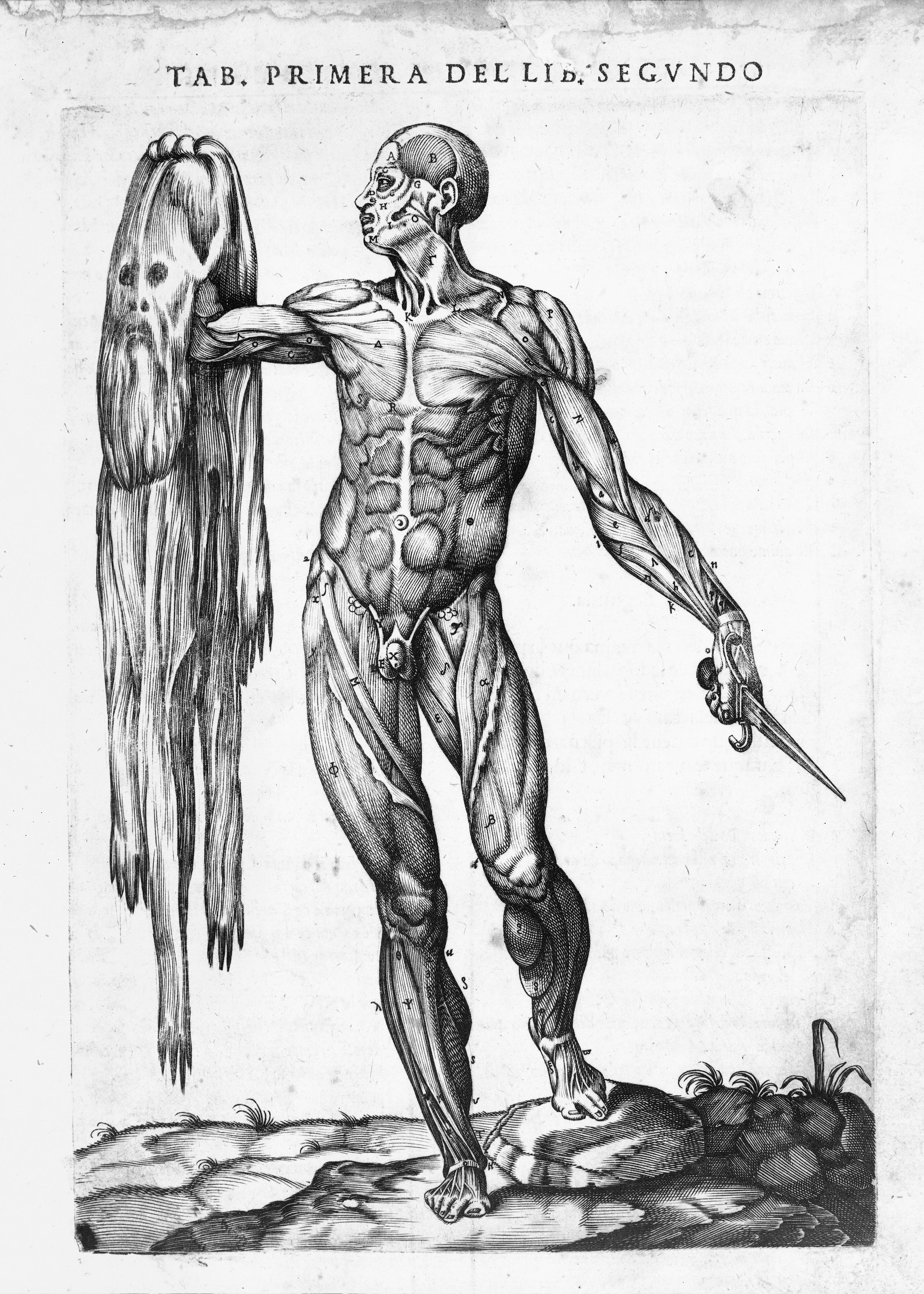
  • The Man Who Holds His Own Skin — from Historia de la Composición del Cuerpo Humano, Juan Valverde de Amusco, 1556

    Juan Valverde de Amusco · 1556

    The Man Who Holds His Own Skin

    A figure carrying his own flayed hide.

    Historia de la Composición del Cuerpo Humano · 1556
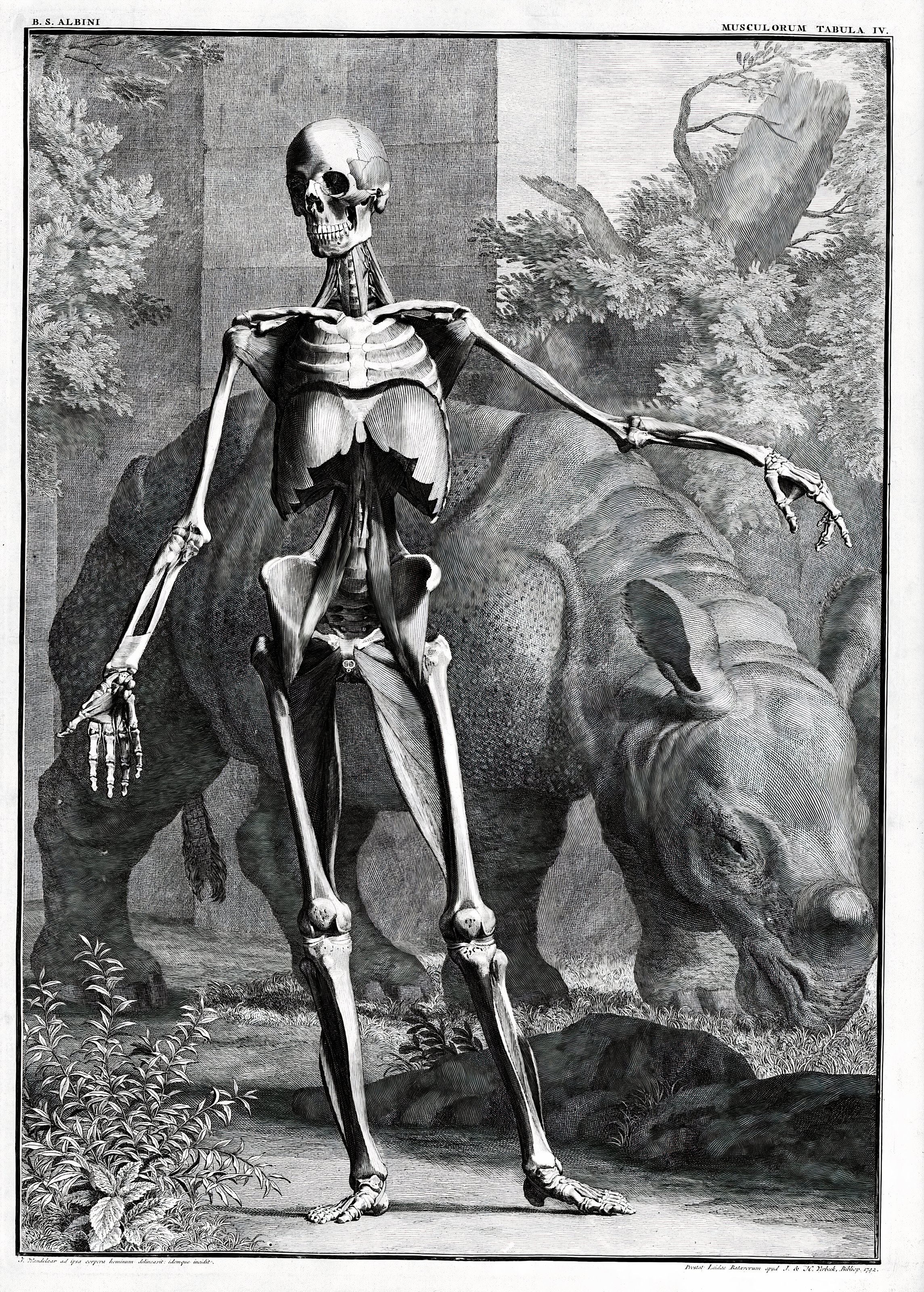
  • The Skeleton and the Rhinoceros — from Tabulae Sceleti et Musculorum, Bernhard Siegfried Albinus, engr. Jan Wandelaar, 1747

    Bernhard Siegfried Albinus, engr. Jan Wandelaar · 1747

    The Skeleton and the Rhinoceros

    An anatomy plate with a rhinoceros in the background.

    Tabulae Sceleti et Musculorum · 1747
See the whole edit — 9 plates

For the teacher, the researcher, the collector of the strange and exact.

For the Anatomist

The scholar’s edit — Eustachi’s lost plates, Ruysch’s tableaux, Gamelin’s theatre of bones. For the person who knows why the rhinoceros is behind the skeleton, and will tell you.

  • The Muscle Man — from De Humani Corporis Fabrica, Andreas Vesalius, 1543

    Andreas Vesalius · 1543

    The Muscle Man

    The image that founded modern anatomy.

    De Humani Corporis Fabrica · 1543
  • The Contemplating Skeleton — from De Humani Corporis Fabrica, Andreas Vesalius, 1543

    Andreas Vesalius · 1543

    The Contemplating Skeleton

    A skeleton, lost in thought before a tomb.

    Vivitur ingenio, caetera mortis erunt
  • The Man Who Holds His Own Skin — from Historia de la Composición del Cuerpo Humano, Juan Valverde de Amusco, 1556

    Juan Valverde de Amusco · 1556

    The Man Who Holds His Own Skin

    A figure carrying his own flayed hide.

    Historia de la Composición del Cuerpo Humano · 1556

See the whole edit — 12 plates

The Specialty Match

A plate can speak directly to a person’s discipline — the heart to the cardiologist, the articulated skeleton to the orthopaedic surgeon, the brain to the neurologist. It is the difference between a picture on a wall and a portrait of a life’s work. Choose a discipline; the plates that answer to it are gathered there.

The Dedication

A dedication is a single engraved line that goes with the finished piece: a name, a degree, a date, a Latin motto. It is set as a restrained typographic cartouche — small, centred, and quiet. The plate is the work; the line is the reason.

A dedication is available on the physical editions — the archival print, the gallery canvas, and the heirloom frame. It cannot be added to the digital file, which ships as the scan and nothing else. The surcharge is a flat $45.00, whatever the size.

Where it is composed

  1. One

    Choose the work — from an edit above, a specialty match, or the gallery.

  2. Two

    On that work’s page, pick a physical format: archival print, gallery canvas, or heirloom frame.

  3. Three

    Add the dedication line in the buy box. It is composed there, against the work itself.

Mottoes, if a line escapes you

You may engrave whatever you wish. These are offered only because a blank field is intimidating.

  • Primum non nocere
  • Vivitur ingenio, caetera mortis erunt
  • Ars longa, vita brevis
  • Hic locus est ubi mors gaudet succurrere vitae
  • Salus aegroti suprema lex

If none of these is quite it

The edits are a starting point, not the catalog. Every plate in the house can be dedicated, and every plate is a gift to someone.

The whole galleryThe sets